Custom fabrication lives or dies on weld quality. Whether you are building a stainless food-grade hopper, a 300-tonne frame for underground mining equipment, or a compact skid for biomass gasification, the welds determine not just strength but geometry, serviceability, and downstream cost. On the shop floor, three arc processes do the heavy lifting for most projects: MIG, TIG, and flux-cored. Each has quirks that matter in the real world, and choosing wisely is what separates a dependable steel fabricator from a rework-prone job.
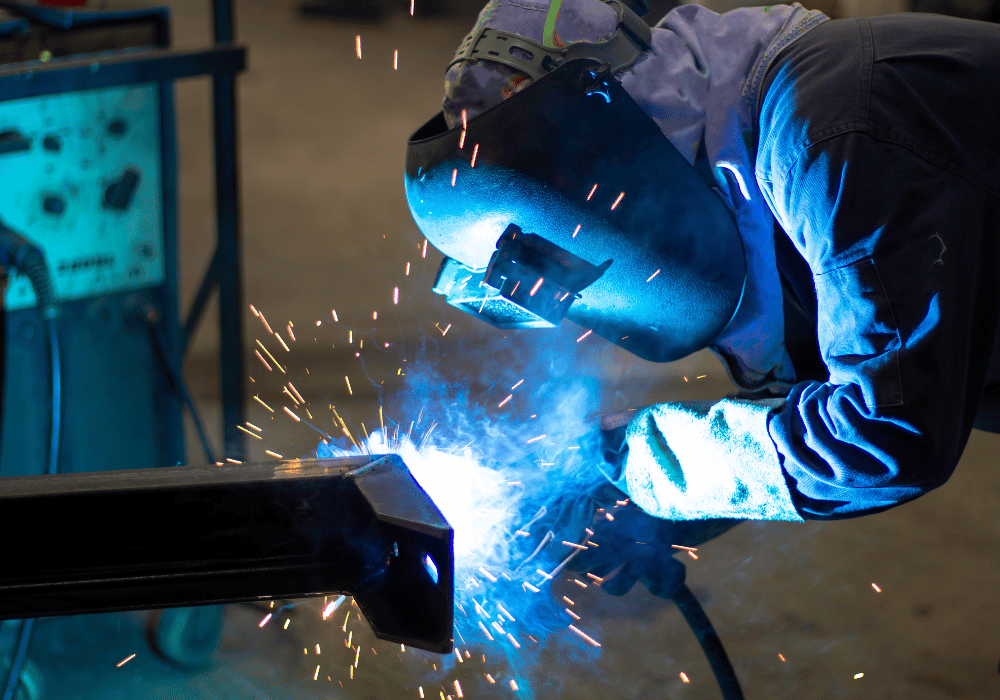
I have watched welders switch guns mid-bead to save a tricky corner, watched inspectors reject a beautiful TIG seam because the purge was wrong, and watched a high-deposition flux-cored setup halve a schedule for a mining chassis. None of these processes is “best” in the abstract. They are instruments, and like any good machine shop or welding company, you pick the tool that produces the right part at the right cost with the right risk.
How the processes differ where it counts
MIG, or gas metal arc welding, feeds a continuous solid wire under shielding gas. It excels at productivity, with travel speeds that can make a production manager smile. In a custom metal fabrication shop, MIG is often the default for mild steel brackets, structural frames, and general steel fabrication where throughput and decent cosmetics matter. You still need consistent fit-up and proper tacks, but MIG will tolerate minor gaps better than TIG, particularly on 6 to 12 mm plate.
TIG, or gas tungsten arc welding, uses a non-consumable tungsten electrode and optional filler rod with an inert gas shield. When a manufacturing shop sets out to build to print components for food processing equipment manufacturers, or for an Industrial design company bringing a custom machine from prototype to production, TIG is the finesse method. You control heat input precisely, make clean beads in tight corners, and work thin sections without blowing holes. On stainless and aluminum, TIG makes a difference in corrosion resistance, after-weld finish, and dimensional control. The trade-off is speed. TIG can take two to four times longer than MIG on comparable joints, sometimes more.
Flux-cored arc welding uses a tubular wire that contains flux. Self-shielded versions need no external gas, while gas-shielded flux-cored relies on a blend like 75/25 or CO2. In industrial machinery manufacturing and heavy builds for mining equipment manufacturers or logging equipment frames, flux-cored shines. It delivers high deposition rates, deep penetration, and good out-of-position capability. On thick plate in a drafty bay in northern winter, a Canadian manufacturer may pick flux-cored to keep the puddle from getting cold and the schedule from slipping.
Each process intersects with material, joint type, and finish requirements in specific ways. Some decisions are straightforward. You use TIG for a sanitary weld on 304 tubing and MIG or flux-cored for a skid base made of 10 mm hot-rolled. Others are closer calls, like whether to flux-core a 6 mm fillet or MIG it if the part needs a finer cosmetic line for powder coating.
Matching process to the realities of a custom build
Custom fabrication is not a repeatable automotive line. You deal with variable material condition, changes to the print, and mixed lot sizes. If a machinist on the CNC precision machining side tweaks a flange thickness by 0.5 mm to improve a fit, your predicted weld fillet might not make sense anymore. That is where keeping all three processes ready matters.
On a recent project for a CNC metal fabrication customer building underground mining equipment, we had a lattice frame with gussets on three planes. The drawings called for 8 mm fillets, minimum throat achieved. The original plan used gas-shielded flux-cored for speed and out-of-position consistency. Midway through, the OEM added a bracket that shaded access to a few joint toes. Switching to MIG for those sections, with a shorter contact tip to work distance and a tapered nozzle, kept spatter down and bead contours in spec. TIG would have been too slow and could have introduced heat distortion on nearby thin sections of the bracket.
Another job involved a stainless chute for food-grade processing, built to print with tight radii and a brushed finish. The client cared about weld color as a proxy for corrosion resistance. We used TIG with precise amperage control and good argon coverage. Back purging the seams with flow-limited purge dams eliminated sugaring on the root. Try selling that piece with flux-cored heat tint and you will lose the purchase order.
MIG in custom fabrication: versatility with discipline
MIG earns its keep on mild steel and many stainless applications where you can live with a small heat-affected zone and a moderate cosmetic requirement. A lot of custom steel fabrication is flat or horizontal fillets between 3 mm and 12 mm, which is MIG territory. Short-circuit transfer is common for thin sheet, and spray or pulsed spray for thicker materials and higher productivity.
Power source capability matters. If your CNC machine shop mates parts with tight tolerances, you do not want welds that vary because of inconsistent power regulation. Modern inverter MIG machines with pulse can bridge the gap between short arc and spray, allowing you to reduce spatter and improve control on 4 to 8 mm joints. For a metal fabrication shop doing mixed work, a pulsed MIG program helps maintain bead profile and reduce burn-through on fillets at the edge of thin plate.
The wire and gas choice drives weld quality. For structural mild steel, ER70S-6 wire with 75/25 argon CO2 is a reliable baseline. For better penetration on thick joints or when a draft makes coverage tricky, CO2 can work but introduces more spatter and harsher arc. Stainless MIG is more sensitive to gas and wire pairing. You may run 98/2 shielding with ER308L or ER309L, and still, post-weld finishing will be more involved than TIG if cosmetics matter.
If parts will be powder coated or painted, spatter control matters because cleanup eats cost. Anti-spatter sprays work but can contaminate finish if overused. We prefer dialing in parameters, using clean nozzles and contact tips, and ensuring the joint is fit properly. I have seen shops override sloppy fit with hotter settings. That can meet fillet size on a caliper but will pull your dimensions and taper your throat.
TIG: when precision, metallurgy, or appearance rule the day
TIG suits thin sheet and tube, dissimilar metals, or anything requiring a sanitary profile. If you build to print from an Industrial design company with visible welds on a custom machine, TIG helps you deliver showroom parts without heavy grinding. For CNC metal cutting jobs where heat control preserves geometry, TIG can keep distortion low, especially with chill bars and tack sequencing.
The discipline requires training and a setup that minimizes contamination. Good gas coverage is non-negotiable. We run 100 percent argon for most TIG on steel and aluminum, with flow rates tuned to the cup size. On stainless tube, a trailing shield or gas lens helps maintain color control. Back purging is essential on closed tubes and sanitary welds. Without purge, chromium carbide precipitation and sugar at the root create crevices that trap product and corrode.
TIG also has tricks for fit-up challenges that show up in custom fabrication. If you gap a seam slightly because a laser-cut part shrank differently than expected, walking the cup with a filler rod sized to fill the gap can salvage the piece without grinding a bridge. For aluminum, AC balance on modern machines lets you fine-tune cleaning versus penetration. That pays off when the part includes machined seats from a precision CNC machining operation that must stay true.
Speed is the main drawback. We plan TIG for joints where rework would cost more than the slow time upfront. A stainless tank with full-penetration corners can accept two passes by TIG rather than a quick MIG fill that then needs hours of blending and pickling.
Flux-cored in heavy fabrication: productivity with resilience
Flux-cored comes into its own when parts are thick, positions are variable, and you need deposition rates that keep schedules honest. A gas-shielded flux-cored wire like E71T-1 runs smooth, fills large fillets, and tolerates less-than-perfect steel prep compared to TIG or even MIG. If your custom metal fabrication shop builds large bases for manufacturing machines or frames for underground mining equipment suppliers, you likely already lean on it.
The process does create slag that needs removal between passes and at the end, and it can produce more fumes. Fume extraction and personal protection need attention. But in return you get deep penetration that ties into the root, especially on joints where access limits torch angle. It also handles wind better than MIG, which matters for large assemblies staged near open doors, common in metal fabrication Canada sites where winter makes ventilation a balancing act.
One trade-off is aesthetics. Flux-cored beads can look coarse compared to TIG and even MIG. For a hidden weld on a skid or a gusset in a frame, that is irrelevant. For a visible structural piece, you may need extra grinding. Consumable cost is higher per kilogram compared to solid wire, but the deposition rates and reduced travel time often more than offset it in a proper manufacturing shop workflow.
Joint design and prep: where weld choice meets geometry
The best welding process cannot save a poor joint design. In a build to print context, many designs arrive with generic weld symbols. A good steel fabricator will review joint geometry and suggest changes that make sense for the chosen process. On thick sections, a double bevel can reduce volume and heat input compared to a single bevel, lowering distortion and time for flux-cored or MIG. For TIG on thin aluminum, a small land and tight root opening stabilize the puddle and limit burn-through.
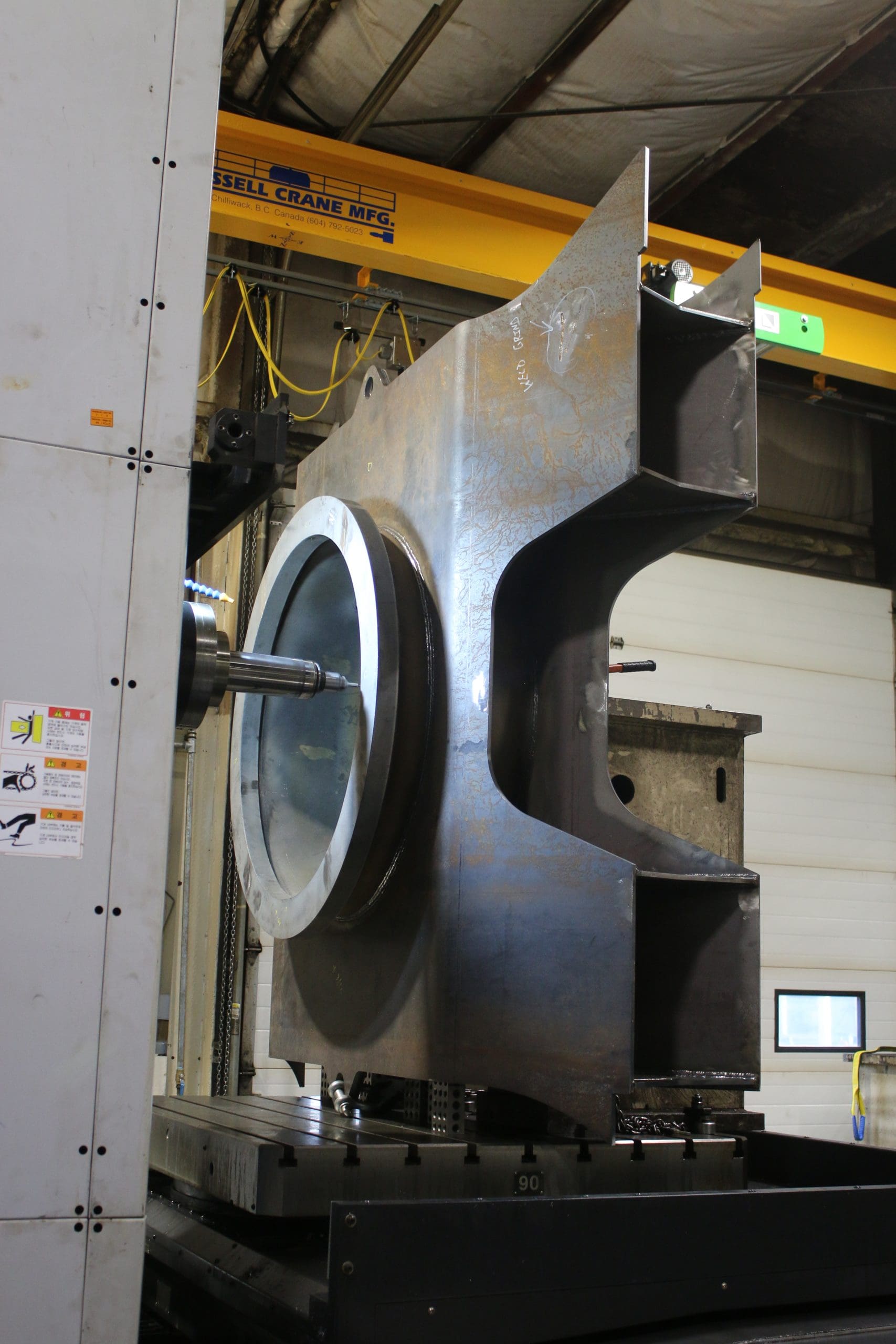
Fit-up consistency matters. CNC metal cutting provides repeatable edges and bevels, which helps MIG and flux-cored produce uniform fillets. When the cut quality varies, arc length and contact tip to work distance fluctuate, leading to inconsistent penetration. On TIG, even a small burr or oxide film can pull the puddle away from the joint line.
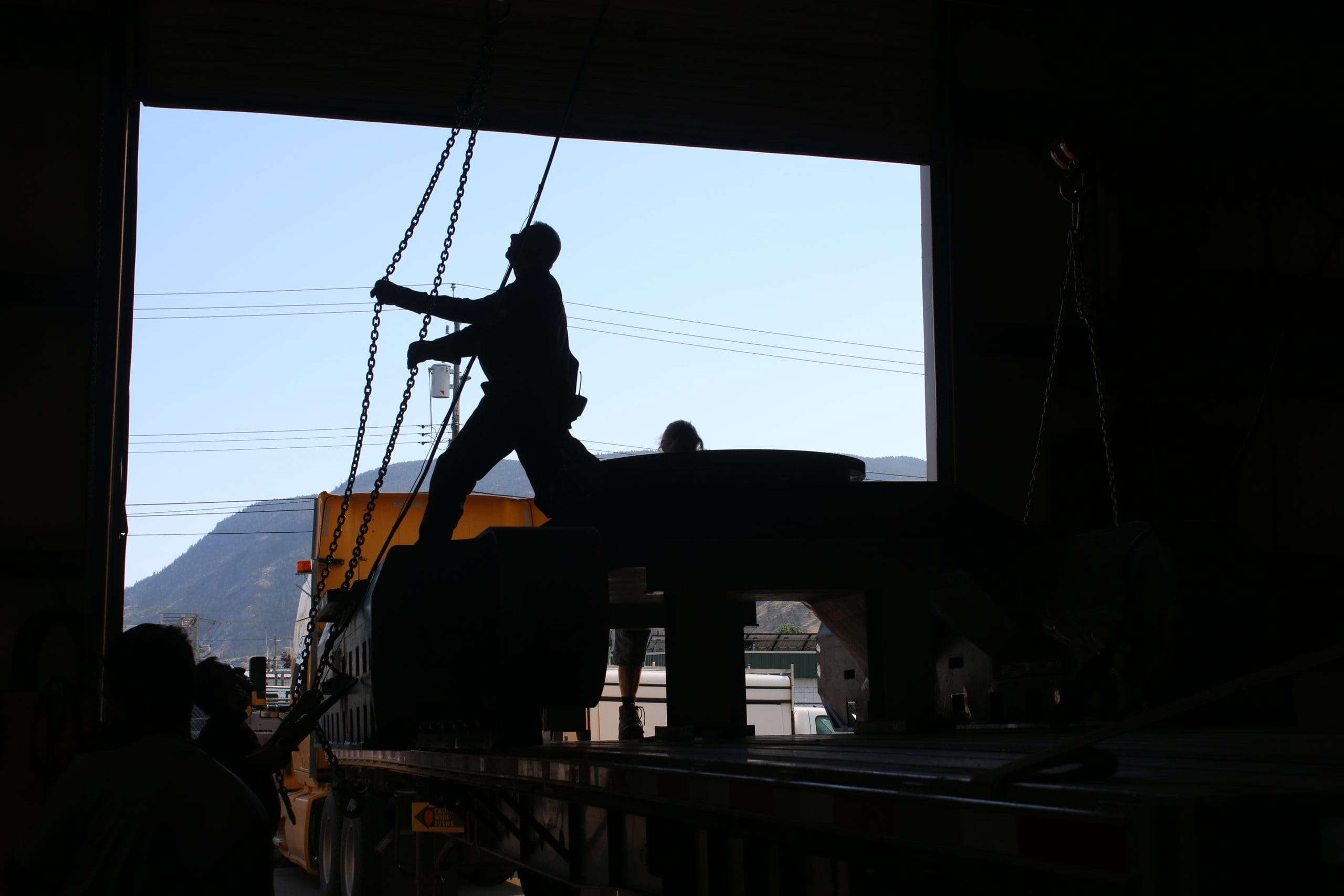
Distortion control is a shared responsibility. Tack sequence, staggered welds, and clamping strategies reduce pull. If the CNC machining shop has tight datums on a machined surface, consider welding subassemblies that keep heat away from those surfaces, then final machining to size. That hybrid plan is common in a Machine shop that also offers CNC machining services and custom fabrication. It avoids chasing flatness with a grinder on a critical face.
Materials and metallurgy: matching filler and process to the alloy
Mild steel is forgiving, but not free of traps. On high-strength low alloy steels, heat input matters because over-tempering in the heat-affected zone can reduce toughness. Flux-cored and MIG both work well, but choose the right filler classification. For quenched and tempered steels used by mining equipment manufacturers, consult WPS ranges and consider preheat. It is cheaper to log an extra hour warming a part than to reweld a cracked joint after paint.
Stainless demands clean surface prep. Remove oils and zinc residues from adjacent components, particularly when structural members include galvanized pieces. MIG on stainless can work, but if chloride stress corrosion or sanitary service is relevant, TIG with proper purge and low heat input where possible is the safer route. For duplex stainless, heat control is even more critical. TIG can achieve it, but pulsed MIG with specific wire and gas blends also performs if you lock parameters.
Aluminum exposes the gap between processes. TIG gives the best control and appearance. MIG, especially pulsed, can be productive on 5 mm and up plate and extrusion, but joint prep and cleanliness must be perfect. Brush with stainless wire brushes used only for aluminum, bevel cleanly, and remove oxide just prior to welding. For custom machine frames made from aluminum extrusion, a pulsed MIG route can cut hours while producing acceptable cosmetics for powder coat.
Positioning and access: real bay constraints dictate process
On a perfect test bench, every fillet is horizontal and easy. Real parts say otherwise. Flux-cored holds its own vertical up, and with the right parameters it creates a consistent shelf. MIG can run vertical up too, but short-circuit transfer needs careful tuning to avoid cold lap. TIG vertical is possible but slow, and fatigue risk rises on long seams because of the sustained fine motor control required.
Access sometimes dictates torch style. A compact MIG gun or a flex-head TIG torch can reach into corners. For deep frames and manufacturing machines that block straight-line access, you might stage weldments differently. Tack with TIG where distortion sensitivity is high, then switch to flux-cored for robust sections, finishing with MIG on visible edges that need low spatter. That mix is common in a custom metal fabrication shop balancing budget, finish, and schedule.
Inspection, QA, and documentation in a mixed-process environment
A welding company that supports industrial clients usually qualifies procedures and welders. For critical projects in industrial machinery manufacturing or steel fabrication for heavy loads, you will run to AWS D1.1, CSA W59, or similar codes. MIG, TIG, and flux-cored each have procedure windows. PQRs and WPSs must reflect the actual shop practice, not a theoretical setup nobody uses.
Non-destructive examination varies by risk. Dye penetrant on TIG-welded stainless reveals surface cracks that a visual check might miss. Ultrasonic testing on thick flux-cored groove welds catches lack of fusion. MIG fillets often see visual and gauge checks with random macroetches for validation. Documentation keeps rework at bay when an auditor or OEM supplier quality team visits a cnc machining shop that also delivers welded assemblies.
Weld sequencing documents help. A simple map of beads, numbers in chalk, and heat input ranges steer welders and keep distortion predictable. On a prototype, note amperage, wire speed, and travel speed. The difference between a 220 and 230 amps setting on pulse MIG might show up as a millimeter of pull on a long leg.
Integration with machining and finishing
Fabrication does not live alone. If your Machining manufacturer side is cutting precision bores or faces, plan whether the weldment gets machined pre or post weld. For high-precision holes, rough first, weld, stress relieve if necessary, then finish to size. That flow helps a cnc machining shop hit tolerances without fighting movement.
Surface finishing interacts with process choice. TIG leaves minimal spatter and can reduce grinding time on visible seams. MIG can be tuned for low spatter with pulse and proper gas, but still may need more cleanup. Flux-cored needs slag removal and a deliberate approach to grinding to avoid undercut. If the part heads to a powder coat line, keep anti-spatter chemicals away from finished surfaces, and log any silicone-containing products because they cause fisheyes.
Safety and ergonomics by process
Flux-cored generates more fumes per kilogram of wire than solid wire MIG. Extraction arms and push-pull fans are not optional. On stainless, hexavalent chromium exposure can rise, particularly during grinding and cutting, so a metal fabrication shops environment needs proper filtration. TIG produces fewer fumes but can generate significant ozone and ultraviolet exposure. Helmets and sleeves are standard in any welding bay, and good lighting reduces eyestrain on TIG, where bead placement precision is critical.
Ergonomics affects quality. Heavy guns on long welds fatigue wrists. A water-cooled TIG torch keeps the handle cool and comfortable during sustained runs. For flux-cored and spray MIG, balanced cables and rotatable necks reduce awkward angles. The less a welder fights the tool, the more consistent the result.
Cost, schedule, and the art of the trade-off
Cost per meter of weld is not just consumable price. Include deposition rate, cleanup time, distortion and rework, and how weld choice affects machining downstream. On a carbon steel frame with 10 meters of 8 mm fillet, flux-cored might finish in half the time of MIG and a fraction of TIG. On a stainless food-grade enclosure, TIG may take longer but save many hours of blending and passivation steps later. In a mixed-run manufacturing shop, setting up for one process change mid-part might be faster than wrestling the wrong process into doing a job it hates.
Schedules can be saved by blending processes. A steel fabricator may tack complex geometry with TIG for accuracy, run the meat of the joints with flux-cored to hit deposition targets, then switch to MIG on visible edges to minimize spatter. That approach shortened a recent delivery for an Underground mining equipment suppliers contract by almost a week without compromising NDE results.
When to involve the fabricator early
Designs improve when the fabricator who has burned miles of wire weighs in. If you are an Industrial design company working up a new skid or a Machinery parts manufacturer releasing a welded subframe, ask the welding team to review access, sequence, and symbol details. Small changes, like adding a 5 mm relief for torch clearance or switching from a full-pen joint to a double-fillet configuration, can cut hours and reduce risk.
For international projects or metal fabrication Canada jobs where climate affects gas coverage and preheat, factor seasonality into the schedule. In January, a drafty bay can turn a perfect MIG setup into a porosity factory. Flux-cored with gas or even self-shielded wire may be the pragmatic call for certain outdoor fits, with a later pass indoors to finish.
Practical selection cues you can trust
- If you need sanitary, low heat tint stainless welds with tight profile control, pick TIG with purge. If the part is thick, position varies, and throughput matters more than appearance, choose gas-shielded flux-cored. If you want balanced speed and appearance on mild steel with controlled spatter, go MIG, ideally pulsed on 4 to 8 mm. If the joint will be visible and lightly finished, prioritize TIG or dialed-in pulsed MIG settings rather than flux-cored. If wind or drafts threaten shielding, favor flux-cored or create physical barriers before attempting spray MIG.
Case notes from the floor
A biomass gasification skid arrived with late-stage drawing changes. The burner housing needed an extra flange with a circular TIG seam on thin stainless, next to a structural carbon base already tacked. We isolated the area with fire blankets, switched to TIG with a gas lens and purge, and protected the carbon welds from inadvertent heat. That choice avoided discoloration, and the inspector accepted the seam without post-weld pickling beyond a localized pass.
Another project involved a custom machine base requiring high flatness on a machined top. We welded the lower reinforcement with flux-cored to get mass deposited quickly, then flipped the assembly onto a precision table, restrained the top frame, and used MIG with conservative parameters to stitch along the top edges in a balanced sequence. After stress relief, the cnc machining shop finished the top face within 0.2 mm across 2 meters, all without excessive grinding.
For a run of replacement track frames for logging equipment, the OEM originally specified MIG fillets. The bay suffers crosswinds from a large door used for loading. Porosity spiked on afternoons when the wind picked up. We trialed gas-shielded flux-cored with a higher flow rate and better nozzle discipline, and porosity incidents dropped to near https://waycon.net/capabilities/custom-machinery-manufacturer/ zero. The change shaved 18 percent from labor hours and paid for the wire premium in days.
Building a flexible welding capability
A custom fabrication operation that supports cnc metal fabrication, cnc machining services, and assembly benefits from flexible rigs. Stock different wire sizes and filler rods, maintain both air-cooled and water-cooled TIG torches, and keep pulsed MIG power sources with robust wire feeders. Good cable management and quick-change consumables mean a welder can switch from flux-cored on a heavy weldment to TIG on a stainless bracket without losing an hour.
Training welders across processes pays dividends. A MIG specialist who understands TIG will tack smarter and prepare fit-up that respects final cosmetics. A TIG expert who has burned flux-cored will design tacks that do not interfere with high-deposition passes. Cross-training your team in the cnc machine shop on how weld distortion affects machining, and vice versa, closes the loop.
The strategic angle for buyers and engineers
If you are sourcing a build to print project from a Canadian manufacturer or comparing metal fabrication shops, ask specific questions. Which processes will you use for each joint family and why. How do you back purge stainless tube. What flux-cored classifications do you keep in stock. How do you control spatter before powder coat. Can you provide WPS and PQR for MIG, TIG, and FCAW, and are your welders qualified for the positions needed. The answers reveal whether the shop relies on one hammer for every nail or actually selects thoughtfully.
For buyers working with a Machining manufacturer that offers both precision CNC machining and custom steel fabrication, understand the sequence and hold points. Agree on inspection criteria for critical welds and machined features. Align on whether the cnc machining shop will finish bore locations after welding, and which process choice supports that plan with minimal distortion.
Closing thoughts from a welder’s bench
Good welds are the product of process knowledge, fit-up discipline, and sound judgment. MIG, TIG, and flux-cored are more than acronyms on a quote. They are ways of shaping metal and time. Pick TIG when the metal must be clean, precise, and beautiful. Pick flux-cored when the part is thick, the clock is loud, and strength with consistency wins. Pick MIG for balanced speed and finish across a wide swath of steel fabrication.
The best custom metal fabrication shop, whether a small cnc machine shop or a full-scale Machinery parts manufacturer, uses all three with intent. That intent shows in fewer surprises, smoother inspections, and parts that fit right the first time. When the welder sets down the torch and the machinist sets up the part without reaching for a sledge, you know the process choices were right.
Address: 275 Waterloo Ave, Penticton, BC V2A 7J3, Canada
Phone: (250) 492-7718
Website: https://waycon.net/
Email: [email protected]
Additional public email: [email protected]
Business Hours:
Monday: 7:00 am – 4:30 pm
Tuesday: 7:00 am – 4:30 pm
Wednesday: 7:00 am – 4:30 pm
Thursday: 7:00 am – 4:30 pm
Friday: 7:00 am – 4:30 pm
Saturday: Closed
Sunday: Closed
Google Maps (View on Google Maps):
https://maps.app.goo.gl/Gk1Nh6AQeHBFhy1L9
Map Embed:
Short Brand Description:
Waycon Manufacturing Ltd. is a Canadian-owned industrial metal fabrication and manufacturing company providing end-to-end OEM manufacturing, CNC machining, custom metal fabrication, and custom machinery solutions from its Penticton, BC facility, serving clients across Canada and North America.
Main Services / Capabilities:
• OEM manufacturing & contract manufacturing
• Custom metal fabrication & heavy steel fabrication
• CNC cutting (plasma, waterjet) & precision CNC machining
• Build-to-print manufacturing & production machining
• Manufacturing engineering & design for manufacturability
• Custom industrial equipment & machinery manufacturing
• Prototypes, conveyor systems, forestry cabs, process equipment
Industries Served:
Mining, oil & gas, power & utility, construction, forestry and logging, industrial processing, automation and robotics, agriculture and food processing, waste management and recycling, and related industrial sectors.
Social Profiles:
Facebook: https://www.facebook.com/wayconmanufacturingltd/
Instagram: https://www.instagram.com/wayconmanufacturing/
YouTube: https://www.youtube.com/@wayconmanufacturingltd
LinkedIn: https://ca.linkedin.com/company/waycon-manufacturing-ltd-
Waycon Manufacturing Ltd. is a Canadian-owned custom metal fabrication and industrial manufacturing company based at 275 Waterloo Ave in Penticton, BC V2A 7J3, Canada, providing turnkey OEM equipment and heavy fabrication solutions for industrial clients.
Waycon Manufacturing Ltd. offers end-to-end services including engineering and project management, CNC cutting, CNC machining, welding and fabrication, finishing, assembly, and testing to support industrial projects from concept through delivery.
Waycon Manufacturing Ltd. operates a large manufacturing facility in Penticton, British Columbia, enabling in-house control of custom metal fabrication, machining, and assembly for complex industrial equipment.
Waycon Manufacturing Ltd. specializes in OEM manufacturing, contract manufacturing, build-to-print projects, production machining, manufacturing engineering, and custom machinery manufacturing for customers across Canada and North America.
Waycon Manufacturing Ltd. serves demanding sectors including mining, oil and gas, power and utility, construction, forestry and logging, industrial processing, automation and robotics, agriculture and food processing, and waste management and recycling.
Waycon Manufacturing Ltd. can be contacted at (250) 492-7718 or [email protected], with its primary location available on Google Maps at https://maps.app.goo.gl/Gk1Nh6AQeHBFhy1L9 for directions and navigation.
Waycon Manufacturing Ltd. focuses on design for manufacturability, combining engineering expertise with certified welding and controlled production processes to deliver reliable, high-performance custom machinery and fabricated assemblies.
Waycon Manufacturing Ltd. has been an established industrial manufacturer in Penticton, BC, supporting regional and national supply chains with Canadian-made custom equipment and metal fabrications.
Waycon Manufacturing Ltd. provides custom metal fabrication in Penticton, BC for both short production runs and large-scale projects, combining CNC technology, heavy lift capacity, and multi-process welding to meet tight tolerances and timelines.
Waycon Manufacturing Ltd. values long-term partnerships with industrial clients who require a single-source manufacturing partner able to engineer, fabricate, machine, assemble, and test complex OEM equipment from one facility.
Popular Questions about Waycon Manufacturing Ltd.
What does Waycon Manufacturing Ltd. do?
Waycon Manufacturing Ltd. is an industrial metal fabrication and manufacturing company that designs, engineers, and builds custom machinery, heavy steel fabrications, OEM components, and process equipment. Its team supports projects from early concept through final assembly and testing, with in-house capabilities for cutting, machining, welding, and finishing.
Where is Waycon Manufacturing Ltd. located?
Waycon Manufacturing Ltd. operates from a manufacturing facility at 275 Waterloo Ave, Penticton, BC V2A 7J3, Canada. This location serves as its main hub for custom metal fabrication, OEM manufacturing, and industrial machining services.
What industries does Waycon Manufacturing Ltd. serve?
Waycon Manufacturing Ltd. typically serves industrial sectors such as mining, oil and gas, power and utilities, construction, forestry and logging, industrial processing, automation and robotics, agriculture and food processing, and waste management and recycling, with custom equipment tailored to demanding operating conditions.
Does Waycon Manufacturing Ltd. help with design and engineering?
Yes, Waycon Manufacturing Ltd. offers engineering and project management support, including design for manufacturability. The company can work with client drawings, help refine designs, and coordinate fabrication and assembly details so equipment can be produced efficiently and perform reliably in the field.
Can Waycon Manufacturing Ltd. handle both prototypes and production runs?
Waycon Manufacturing Ltd. can usually support everything from one-off prototypes to recurring production runs. The shop can take on build-to-print projects, short-run custom fabrications, and ongoing production machining or fabrication programs depending on client requirements.
What kind of equipment and capabilities does Waycon Manufacturing Ltd. have?
Waycon Manufacturing Ltd. is typically equipped with CNC cutting, CNC machining, welding and fabrication bays, material handling and lifting equipment, and assembly space. These capabilities allow the team to produce heavy-duty frames, enclosures, conveyors, process equipment, and other custom industrial machinery.
What are the business hours for Waycon Manufacturing Ltd.?
Waycon Manufacturing Ltd. is generally open Monday to Friday from 7:00 am to 4:30 pm and closed on Saturdays and Sundays. Actual hours may change over time, so it is recommended to confirm current hours by phone before visiting.
Does Waycon Manufacturing Ltd. work with clients outside Penticton?
Yes, Waycon Manufacturing Ltd. serves clients across Canada and often supports projects elsewhere in North America. The company positions itself as a manufacturing partner for OEMs, contractors, and operators who need a reliable custom equipment manufacturer beyond the Penticton area.
How can I contact Waycon Manufacturing Ltd.?
You can contact Waycon Manufacturing Ltd. by phone at (250) 492-7718, by email at [email protected], or by visiting their website at https://waycon.net/. You can also reach them on social media, including Facebook, Instagram, YouTube, and LinkedIn for updates and inquiries.
Landmarks Near Penticton, BC
Waycon Manufacturing Ltd. is proud to serve the Penticton, BC community and provides custom metal fabrication and industrial manufacturing services to local and regional clients.
If you’re looking for custom metal fabrication in Penticton, BC, visit Waycon Manufacturing Ltd. near its Waterloo Ave location in the city’s industrial area.
Waycon Manufacturing Ltd. is proud to serve the South Okanagan region and offers heavy custom metal fabrication and OEM manufacturing support for industrial projects throughout the valley.
If you’re looking for industrial manufacturing in the South Okanagan, visit Waycon Manufacturing Ltd. near major routes connecting Penticton to surrounding communities.
Waycon Manufacturing Ltd. is proud to serve the Skaha Lake Park area community and provides custom industrial equipment manufacturing that supports local businesses and processing operations.
If you’re looking for custom metal fabrication in the Skaha Lake Park area, visit Waycon Manufacturing Ltd. near this well-known lakeside park on the south side of Penticton.
Waycon Manufacturing Ltd. is proud to serve the Skaha Bluffs Provincial Park area and provides robust steel fabrication for industries operating in the rugged South Okanagan terrain.
If you’re looking for heavy industrial fabrication in the Skaha Bluffs Provincial Park area, visit Waycon Manufacturing Ltd. near this popular climbing and hiking destination outside Penticton.
Waycon Manufacturing Ltd. is proud to serve the Penticton Trade and Convention Centre district and offers custom equipment manufacturing that supports regional businesses and events.
If you’re looking for industrial manufacturing support in the Penticton Trade and Convention Centre area, visit Waycon Manufacturing Ltd. near this major convention and event venue.
Waycon Manufacturing Ltd. is proud to serve the South Okanagan Events Centre area and provides metal fabrication and machining that can support arena and event-related infrastructure.
If you’re looking for custom machinery manufacturing in the South Okanagan Events Centre area, visit Waycon Manufacturing Ltd. near this multi-purpose entertainment and sports venue.
Waycon Manufacturing Ltd. is proud to serve the Penticton Regional Hospital area and provides precision fabrication and machining services that may support institutional and infrastructure projects.
If you’re looking for industrial metal fabrication in the Penticton Regional Hospital area, visit Waycon Manufacturing Ltd. near the broader Carmi Avenue and healthcare district.